





Predicted Energy Assessment (PEA)
A Predicted Energy Assessment (PEA is normally required when selling a property prior to its construction, often called an off-plan sale. A PEA is a predicted version of the Standard Assessment Procedure (SAP) investigating its thermal efficiency and its environmental Impact (CO2) and is based on the same SAP calculations required at design stage.
The SAP calculation forms the basis of the Energy Performance Certificate (EPC) which is required for both domestic and commercial buildings when the existing building is being rented or sold. The Predicted Energy Assessment (PEA) is in effect the same approach but for buildings not yet built, it needs to be produced during the design phase of the project, submitted along with the final SAP calculation and carried out by a qualified On Construction Domestic Energy Assessor (OCDEA), given accreditation by the government.
Predicted Energy Assessments fall under The Home Information Pack Regulations 2007; UK Statutory Instruments 2007 No. 992 described under schedule 3:
"A predicted energy assessment must—
- (a) display prominently the title “Predicted Energy Assessment”;
- (b )contain the following statement—
“This document is a Predicted Energy Assessment required to be included in a Home Information Pack for properties marketed when they are incomplete. It includes a predicted energy rating which might not represent the final energy rating of the property on completion. Once the property is completed, the Pack should be updated to include information about the energy performance of the completed property.”
- (c) contain the address or proposed address (which may include a plot number) of the property;
- (d) be compiled otherwise than by a visual inspection of the property;
- (e) contain the predicted asset rating of the building—
- (i) based on its plans and specifications; and
- (ii )expressed in a way approved by the Secretary of State under regulation 17A of the Building Regulations 2000; and
- (f) contain an explanation of that predicted asset rating."
[edit] Related articles on Designing Buildings
- Building Performance Evaluation.
- Display Energy Certificate.
- Domestic Energy Assessor.
- Energy Performance Certificate.
- Energy Assessment.
- Energy Audit.
- Energy Savings Opportunity Scheme.
- Energy Performance of Buildings Directive.
- Energy Performance of Buildings Regulations.
- Post Occupancy Evaluation.
Featured articles
Check out some of the best features and news from Designing Buildings as well as key stories from around the web.

Why construction can't afford to ignore the skills gap.
Building Safety Regulator, 19 August

Gill Kernick appointed Independent Chair of Residents’ Panel.
Connecting knowledge, technology and conservation
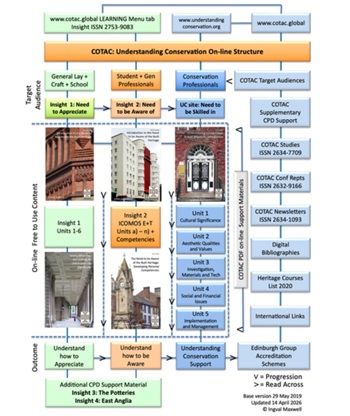
Building competence for the future of built heritage.
Building Regulations and Building Safety Act

CIOB publishes free advice for non-domestic clients.

Building Safety Newsletter from MHCLG.

An extraordinary record of steel engineering worldwide.

Households living near new pylons to save on bills.

ECA warns growth must not outpace grid capacity or skills.
The role of the client and decision making

CIOB response to built environment professions call for evidence.
Construction's sustainability reporting revolution
Tracking upfront embodied carbon with digital tools.
ECA welcomes procurement reforms

Public spending must back British jobs and skills.
Campaigning for Edinburgh: the Cockburn Association 1875-2049

The role of the civic voice in protecting character. Book review.